A misfitted label wastes materials, stalls production, and kills shelf appeal before a single customer picks up your can. This guide covers every standard size, every wrap type, and every calculation method professional USA breweries rely on daily.
Standard Beer Can Label Dimensions by Can Size
12 oz Beer Can Label Dimensions
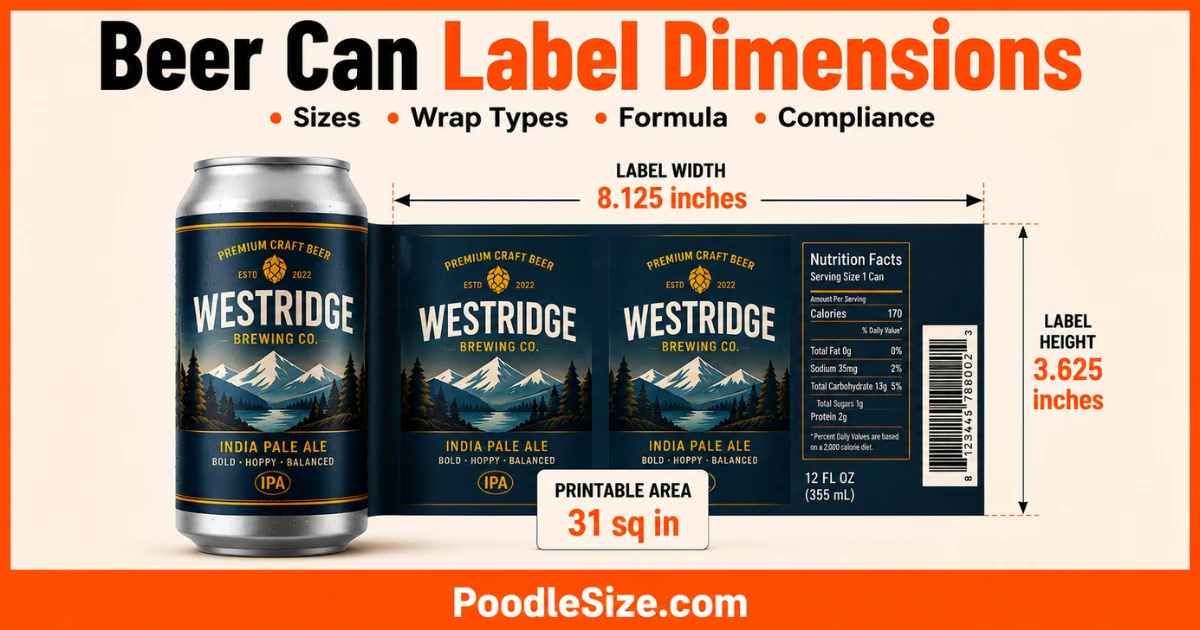
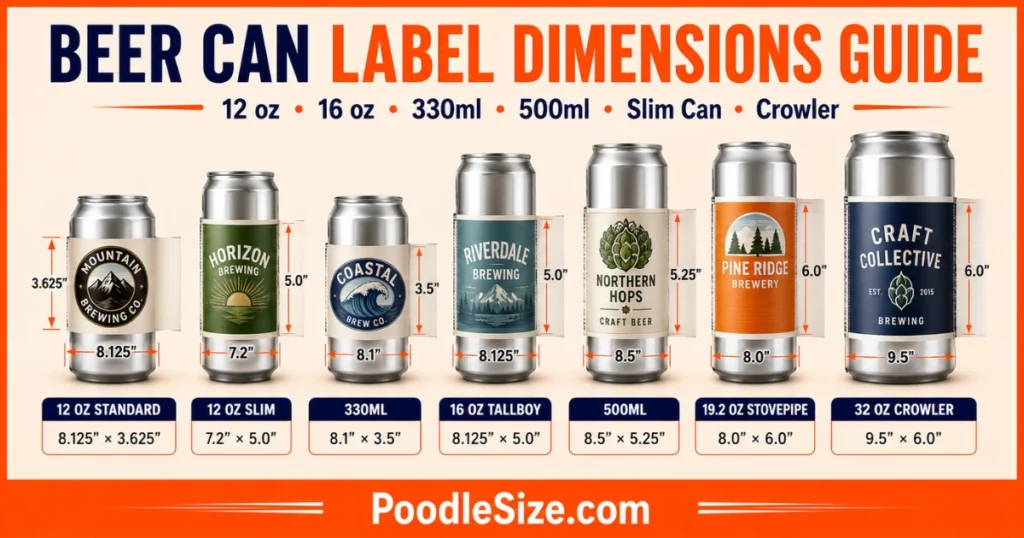
A 12 oz beer can label typically measures 8.125 inches wide × 3.625 inches tall for a full wrap and fits the standard 211 can diameter (2.6875 inches) used by most craft breweries.
A half-wrap label measures about 6.25 × 3.5 inches, using less material while leaving more exposed aluminum.
16 oz Tallboy Beer Can Label Dimensions
A 16 oz tallboy can label measures 8.125 inches wide × 5 inches tall for full wrap coverage, keeping the same 211 diameter as a 12 oz can but with more height.
The extra space allows more artwork, nutrition details, and branding, while an optimal label size of 7.25 × 5 inches improves machine application.
330ml Beer Can Label Size
A 330ml beer can label is about 8.1 inches wide × 3.5 inches tall, with a diameter close to 2.6 inches, making it similar to a 12 oz U.S. can.
Many breweries use the same 8.125-inch label width for efficiency, but exact can diameter should be verified to ensure a proper label fit.
500ml Beer Can Label Dimensions
A 500ml beer can label requires about 8.5 inches wide × 5.25 inches tall for full wrap coverage, commonly used in European and specialty beer markets.
Its larger height and diameter compared to a 16 oz tallboy require a bigger label, otherwise gaps and seam issues can appear.
Specialty Can Label Dimensions (19.2 oz, 32 oz Crowler, Slim Cans)
19.2 oz stovepipe cans use labels around 8 inches wide × 6–6.5 inches tall, while slim 12 oz cans need about 7.2 × 5 inches due to their narrower 202 diameter.
The 32 oz crowler uses the largest common label size at about 9.5 × 6 inches, but exact measurements should be confirmed with the can manufacturer.
Full Wrap vs Half Wrap vs Optimal Wrap — Which Label Size Is Right for You?
Full Wrap Beer Can Labels
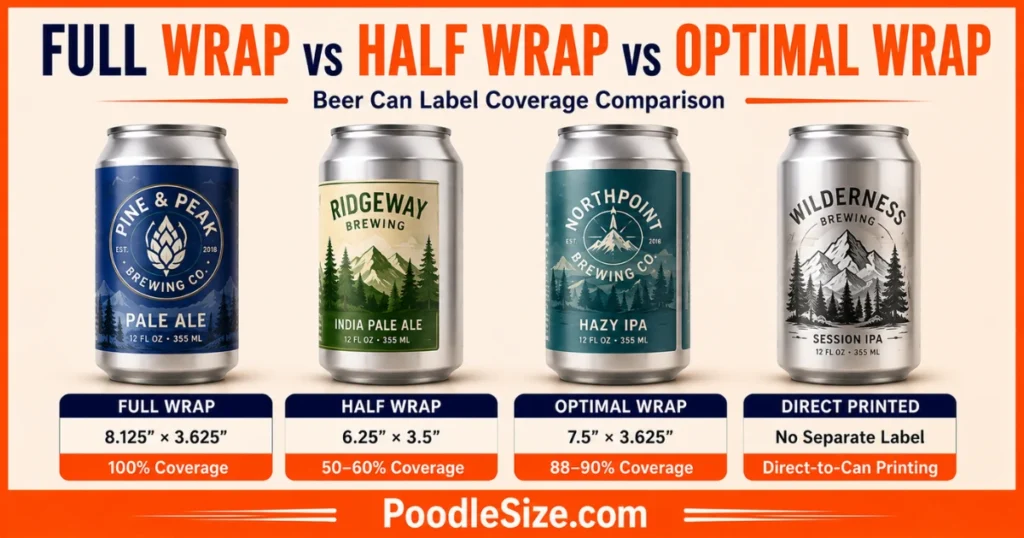
A full wrap beer can label covers the entire 360° circumference with a 0.25–0.375 inch overlap, giving maximum space for branding, artwork, and product details.
It uses 30–40% more material than partial labels but creates a more premium shelf appearance, making it popular for flagship craft beers.
Half Wrap Beer Can Labels
A half wrap beer can label covers about 50–60% of the can surface, leaving some bare aluminum visible for a minimalist look.
A 12 oz half wrap label measures around 6.25 × 3.5 inches, reducing material costs but providing less space for branding and required text.
Optimal Wrap Beer Can Labels
Optimal wrap beer can labels balance full coverage and easy application. A 12 oz can typically uses a 7.5 × 3.625 inch label, leaving a 0.943-inch gap to prevent overlap issues.
This sizing helps reduce bubbles, misalignment, downtime, and label waste during automated labeling while maintaining good shelf appearance.
Shrink Sleeve Dimensions vs Pressure-Sensitive Label Dimensions
Shrink sleeve labels for a 12 oz can are printed at about 8.9 × 5 inches and shrink to cover the entire can, including curved shoulder areas.
Pressure-sensitive labels measure around 8.125 × 3.625 inches and cover only the straight body, while shrink sleeves offer better coverage but higher cost.
Printed Cans — When There Is No Label at All
Direct-printed beer cans apply designs directly onto the aluminum surface, eliminating separate labels and sizing issues.
A 12 oz can offers about 7.6 × 4.13 inches of print area, while 16 oz cans provide 7.6 × 4.95 inches. Digital printing reduces label costs and suits limited craft batches (1,500–2,000 cans).
How to Calculate Beer Can Label Size (Formula + Step-by-Step)
The Circumference Formula Explained
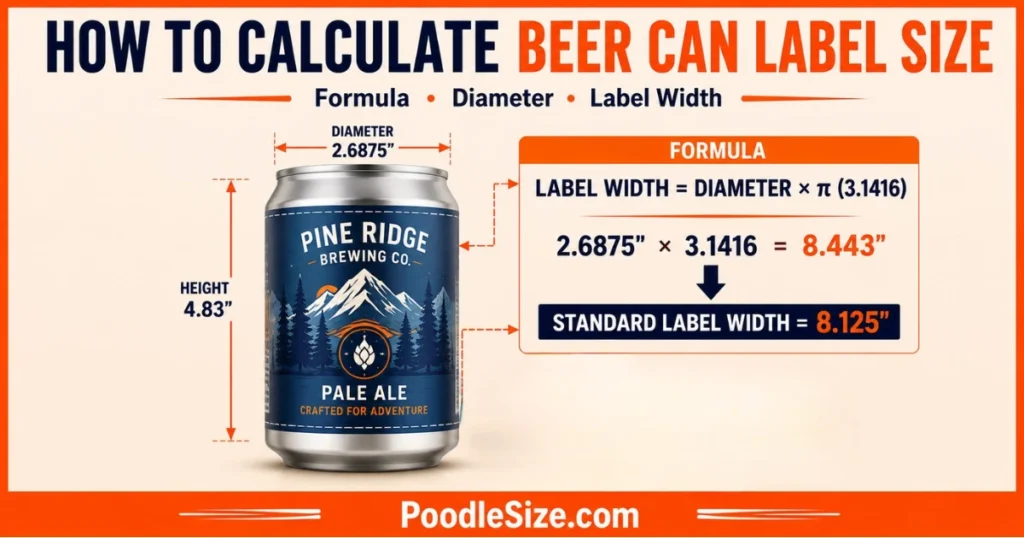
The main formula for beer can label width is Can Diameter × π (3.1416). A 211 diameter can (2.6875 inches) creates a circumference of about 8.443 inches.
Most printers use 8.125 inches width by leaving a small gap, while full wrap labels add 0.25–0.375 inches overlap for complete coverage.
211 vs 207 Can Diameter — Why It Changes Everything
The 211 can diameter (2.6875 inches) is the common USA beer can standard, while newer 207 diameter cans (2.4375 inches) are narrower but taller.
Using an 8.125-inch label on a 207 can can cause overlap and adhesion issues, so always verify the actual can diameter before ordering labels.
Height Calculations and Safe Zone Margins
Beer can label height is based on the straight cylindrical body, not the curved top and bottom. A 12 oz can has about 4.125 inches of straight body, with a recommended label height of 3.625 inches.
Keep at least 0.25 inches clearance from edges to avoid application issues and keep required TTB information inside the safe zone.
Label Material Thickness and Its Effect on Final Dimensions
Paper beer can labels are typically 2–3 mil thick, while vinyl labels are thicker at 3.5–4 mil, affecting the final wrap fit.
Vinyl labels may need a 0.0625–0.125 inch width reduction to prevent raised seams, so confirm material thickness before printing.
How to Test Your Label Size Before Printing
Before printing, create a paper template with your label size and test it on the actual can to measure the gap or overlap.
This quick 2-minute test prevents costly $200–$800 reprints and ensures proper fit, especially when can diameters vary by 0.125 inches.
Beer Can Label Design Requirements and Compliance (USA)
TTB Minimum Label Size Requirements
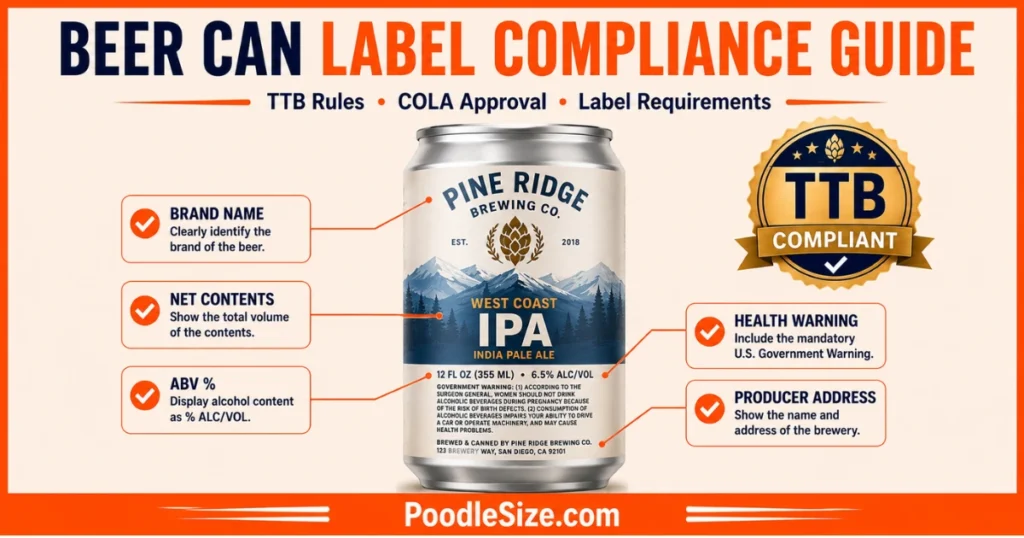
The TTB requires beer labels to include brand name, net contents, alcohol content, health warning, and producer address with readable text.
Commercial breweries need COLA approval before selling beer, and incorrect label sizing or placement can cause rejection.
Minimum Font Size and Mandatory Information Placement
The USA alcohol warning statement must meet a minimum 2mm text size, while other required details need clear contrast for approval.
Use at least a 4:1 text-to-background contrast ratio to keep mandatory information readable, especially on full wrap labels.
Safe Zones, Bleed, and Artwork File Setup
Every beer can label artwork needs a 1/16-inch bleed beyond the cut line and a 0.125-inch safe zone to prevent printing and trimming issues.
Professional printers require CMYK files in formats like AI, PDF, or EPS with fonts outlined and design elements properly prepared.
The 4 Types of Beer Can Labels — Pressure-Sensitive, Shrink Sleeve, Printed Can, and Glue-Applied
The 4 main beer can label types are pressure-sensitive labels, shrink sleeves, direct printing, and glue-applied labels. Pressure-sensitive labels are most popular due to low cost, fast production, and easy application.
Shrink sleeves provide full 360° coverage but cost more, while glue-applied labels are mainly used for specialty or heritage designs.
Conclusion
Beer can label dimensions follow precise formulas tied directly to your can’s diameter, circumference, and chosen wrap style — none of it is guesswork. The 8.125-inch × 3.625-inch size for 12 oz cans and 8.125-inch × 5-inch size for 16 oz tallboys cover the vast majority of USA craft brewery needs in 2026.
FAQ’s about Beer Can Label Dimensions
What size is a standard beer can label?
A standard beer can label for a 12 oz can measures 8.125 inches wide by 3.625 inches tall for full wrap. For 16 oz tallboys the standard jumps to 8.125 inches wide by 5 inches tall.
What are the dimensions of a beer can?
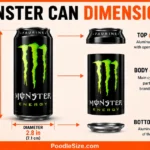
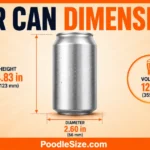
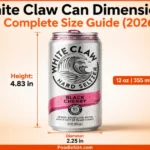
A standard 12 oz USA beer can measures 2.6875 inches in diameter and stands 4.83 inches tall. A 16 oz tallboy shares the same diameter but reaches 6.125 inches in height.
What is a standard label size?
The most widely used standard label size in USA craft brewing is 8.125 inches × 3.625 inches for 12 oz cans. This size accounts for approximately 90% of craft beer labels produced domestically.
Can 330ml label size?
A 330ml beer can label measures approximately 8.1 inches wide by 3.5 inches tall for full wrap coverage. This format shares a near-identical circumference to the American 12 oz can, making most standard USA label dies compatible.
What size label is a 500ml beer bottle?
A 500ml beer bottle typically uses a front label measuring 3.5 inches by 4 inches and a back label around 2 inches by 3 inches on a standard longneck format. Bomber-style 500ml bottles require larger front labels around 4 inches by 5 inches.
What is the minimum size of the label?
The TTB minimum requirement for beer label text is 1/16-inch type height for most mandatory information on standard USA containers. The government warning statement specifically requires a minimum 2mm font size on all commercially distributed alcoholic beverages.
Why are cans 330ml?
The 330ml format emerged as Europe’s metric equivalent to the American 12 oz (355ml) standard that was established after Prohibition. It became the dominant European export size and is now used globally for imported and specialty beers sold in USA markets.
How many mm is in a beer can?
A standard 12 oz USA beer can has a diameter of approximately 68.26mm and a total height of around 122.7mm. Its circumference measures approximately 214.4mm, which is the base figure for all label width calculations in metric-system markets.
How big is a 500mL beer can?
A 500ml beer can measures approximately 66mm in diameter and stands around 168mm tall (roughly 6.6 inches). It requires a label approximately 8.5 inches wide by 5.25 inches tall for proper full wrap coverage.
What size is label size?
Label size refers to the width and height of the printed stock relative to the container it wraps. For beer cans, 8.125 inches × 3.625 inches is the most common industry-standard label size across the USA brewing market.
What are the 4 types of labels?
The 4 types of beer can labels are pressure-sensitive labels, shrink sleeves, directly printed cans, and glue-applied paper labels. Pressure-sensitive is the most common format among USA craft breweries due to low minimums and broad equipment compatibility.
What size is a 4×6 label in MM?
A 4×6 inch label converts to 101.6mm × 152.4mm in metric measurements. This size is too large for standard beer can body labels but is widely used for crowler labeling, taproom packaging, and shipping fulfillment applications.

Hi, I’m Stella Quinn, the admin at PoodleSize.com. We simplify measurements with quick conversions, easy guides, and real-life size comparisons to help you find accurate answers fast.